Fotona 4D Laser Facial (TimeWalker) Encino, CA: Minimal Downtime, Visible Results
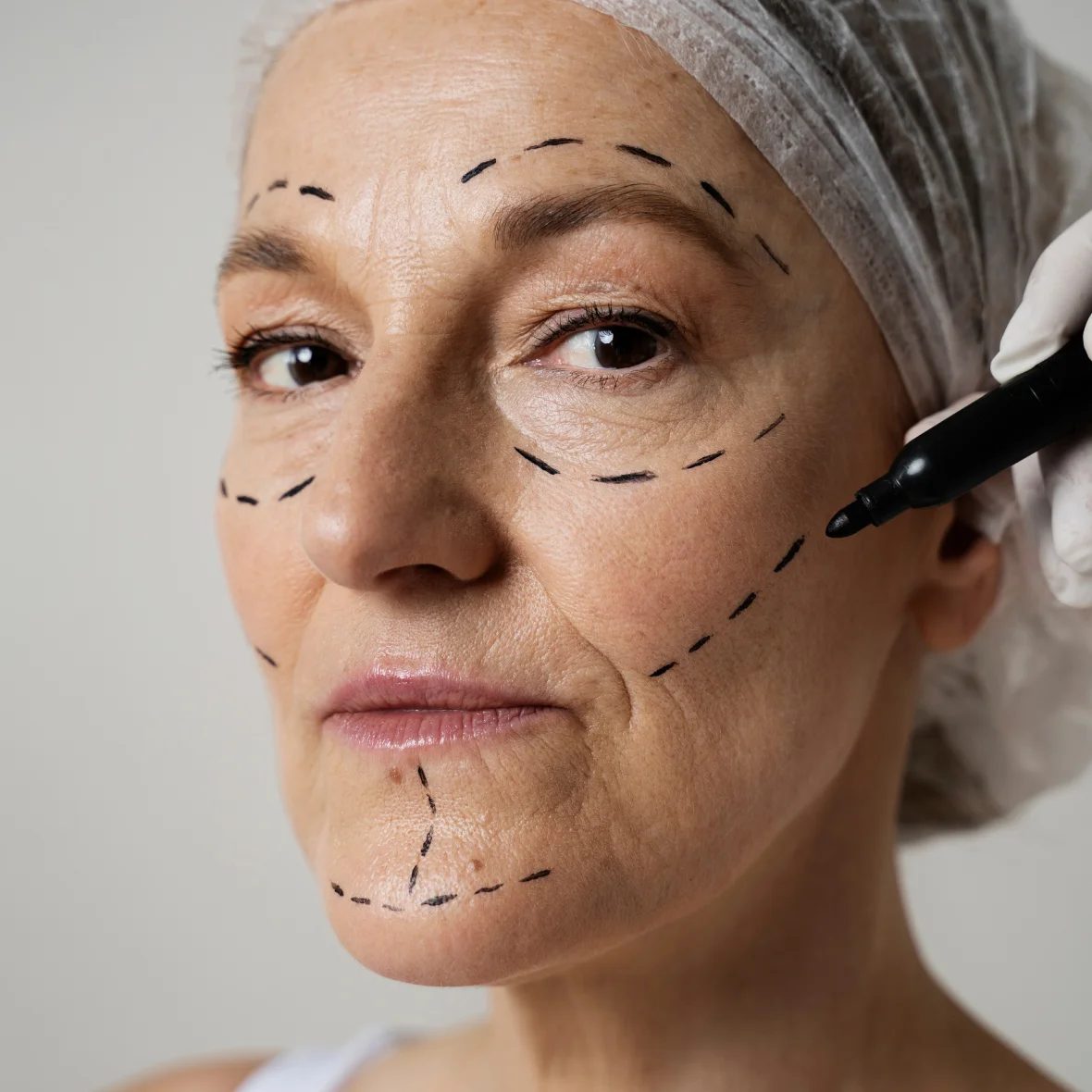
If you spend any time in a cosmetic dermatology or med spa setting, you hear the same question in different forms all day long: can I get a real result without disappearing for a week? That question matters even more in a place like Encino, where people often want refreshed skin that looks better in natural daylight, on Zoom, at dinner, and at school pickup, without the obvious signs of having had something aggressive done.
That is exactly where the appeal of the Fotona 4D Laser Facial, often associated with the TimeWalker platform, comes into focus. It sits in a useful middle ground. It is more sophisticated and typically more result-driven than a basic facial, but it usually involves far less downtime than deeper ablative resurfacing. For the right patient, that balance is the point.
The phrase “laser facial” can be misleading because it sounds simple, almost spa-like. Fotona 4D is not simply a facial with a machine waved over the skin. It is a structured, multi-step laser treatment designed to work on different layers of the face, including tissue inside the mouth and on the skin surface. The treatment aims to improve tone, texture, laxity, and overall skin quality by approaching facial rejuvenation from several angles rather than relying on a single pass with one setting.
For people searching specifically for Fotona 4D Laser Facial (TimeWalker) Encino, CA, the big questions tend to be practical ones. What does it actually do? How much does it hurt? How red will I be afterward? Who is a good candidate, and who should choose something else? Those are the questions worth answering honestly.
What makes Fotona 4D different from a standard laser session
Many laser treatments do one main thing. They target pigment, or redness, or texture, or laxity. Fotona 4D was designed as a layered protocol. The idea is that facial aging does not happen in one layer, so treating only one layer often gives a partial result.
The treatment generally combines multiple modes of Er:YAG and Nd:YAG laser energy in a sequence that addresses the face from the inside out. One of the most talked-about components is the intraoral step, where laser energy is delivered inside the mouth along the cheeks. That can sound unusual the first time someone hears it, but there is a logic behind it. The treatment targets tissue support from the inside, especially in areas where early sagging and softening tend to show up.
Then the external steps address deeper tissue heating, surface refinement, and finishing passes that improve glow and texture. In experienced hands, the treatment can create a fresher, tighter look without the peeled, intensely raw appearance people often associate with more aggressive resurfacing.
That said, “minimal downtime” does not mean “no visible evidence at all.” Most patients are pink to red afterward. Some feel warm, a bit puffy, or dry. Depending on settings and skin sensitivity, you may look like you had a brisk workout or a day in the sun. For many people, that is a manageable trade-off.
The four dimensions, in plain English
A lot of marketing around laser treatments is heavy on names and light on explanation. The most useful way to understand Fotona 4D is to think of it as a sequence with four goals: internal support, collagen stimulation, targeted tightening, and surface renewal.
The intraoral portion often surprises first-time patients because it is not something they have seen with older facial lasers. That internal step is intended to stimulate tissue beneath the skin and support areas that can look flatter or looser with age. It is not dramatic in the way filler can be dramatic, but it can contribute to a more supported look over time.
The deeper heating step is about collagen stimulation. This is the part that tends to build gradual improvement rather than overnight change. If someone expects to walk out looking ten years younger, they will probably be disappointed. If they understand that skin remodeling is a process that unfolds over weeks to months, the treatment makes much more sense.
There is OMNIA Wellness Center Fotona 4D Laser Facial (TimeWalker) Encino, CA also a more focused tightening phase that can help with areas such as the lower face, jawline, and perioral region. Finally, the surface pass refines the skin and gives that smoother, brighter finish that people often notice first in the mirror.
One patient may talk about tighter cheeks. Another may say their makeup sits better around the mouth. Someone else may simply say they look less tired. Those are all versions of the same story: subtle, cumulative change rather than a sudden, artificial transformation.
Why Encino patients are often drawn to it
In Encino, aesthetic preferences often lean toward polished, natural-looking results. Many patients want maintenance and rejuvenation, not a look that announces itself from across the room. Treatments with excessive downtime can also be hard to fit into real life. Work, family obligations, social events, and simple inconvenience all matter.
A treatment like the Fotona 4D Laser Facial can appeal to that lifestyle because it usually allows people to return to normal routines relatively quickly. You may want a quiet evening afterward and a gentle skincare routine for a few days, but you are not typically signing up for the kind of prolonged recovery associated with stronger fully ablative lasers.
Climate and daily habits matter too. In Southern California, sun exposure is a year-round reality. That does not mean laser treatments are off the table, but it does mean thoughtful timing and careful aftercare are important. A patient who spends every weekend hiking or playing tennis without consistent sun protection may not be the best candidate at a given moment, or they may need to plan treatment around their schedule more carefully.
What concerns can it help improve?
The best outcomes come when the treatment matches the problem. Fotona 4D can be a strong option for early to moderate signs of aging and skin fatigue, especially when the goal is refreshed skin with little interruption to daily life.
It is often considered for concerns such as:
- Mild skin laxity in the cheeks or lower face
- Fine lines around the mouth and eyes
- Dull texture and loss of radiance
- Early softening along the jawline
- Crepey or tired-looking skin that needs collagen support
This is where clinical judgment matters. If someone has heavy jowling, significant neck laxity, or deep etched wrinkles, a non-surgical laser treatment may help somewhat, but it will not replace a surgical lift or a more aggressive resurfacing strategy. Patients do best when they hear that clearly before treatment, not after.
Likewise, if pigment is the main concern, another laser or light-based treatment may deserve a closer look. If volume loss is the biggest issue, filler or biostimulatory injectables may address the problem more directly. Fotona 4D is versatile, but it is not a universal answer.
What a session actually feels like
Most people are more nervous about sensation than they are about the result. The answer is that the experience is tolerable for many patients, but comfort varies by settings, provider technique, and individual pain threshold.
The intraoral step feels odd more than painful. Patients often describe warmth and pressure inside the cheeks. The external heating passes can feel hot, especially over thinner skin or areas with less padding. The finishing surface pass tends to create a prickly, snapping sensation. Some offices use topical numbing, some adjust settings gradually, and some combine strong cooling measures to improve comfort.
An honest comparison I often hear from patients is that it is more intense than a relaxing facial, obviously, but usually easier than they feared. It is not uncommon for someone to come in tense for the first appointment and return much calmer for the second because they now know the rhythm of the treatment.
Procedure length depends on the protocol and whether add-ons are included, but many appointments land somewhere around 45 to 90 minutes. A thorough consultation should make that clear in advance.
Downtime, realistically described
The phrase “minimal downtime” gets used loosely in aesthetics, so it helps to define it. For most patients, minimal downtime means visible redness and warmth for a day or two, perhaps some mild swelling, and a temporary rough or dry feel to the skin. Makeup may be possible the next day in some cases, though many clinicians prefer that patients wait based on how the skin looks and what settings were used.
There can be a sandpapery texture for a few days as the skin turns over. Some patients peel lightly. Others barely peel at all and simply notice that their skin looks bronzed or flushed before it settles. If stronger resurfacing parameters are used, downtime can stretch longer. That is why blanket promises are not especially useful.
A practical timeline for many patients looks like this:
- Day of treatment: redness, warmth, mild swelling possible
- Day 1 to 2: pinkness, sensitivity, a tighter feel to the skin
- Day 3 to 5: dryness or fine flaking may appear
- By one week: most visible signs have usually settled
- Over following weeks: gradual collagen-related improvements continue
This is one area where scheduling matters. If you have an important event, treatment the day before is rarely ideal. A week or two of cushion is smarter, even for “low downtime” procedures.
The results timeline, and why patience matters
One of the biggest misunderstandings about collagen-stimulating treatments is expecting the final result immediately. Fotona 4D often gives a short-term “freshened up” effect because of mild swelling and immediate tissue contraction, but the more meaningful changes tend to build gradually.
Surface smoothness and brightness may show up first. Then, over the next several weeks to a few months, collagen remodeling can improve firmness and skin quality more noticeably. The exact pace depends on age, baseline skin condition, treatment settings, and whether someone completes a series.
In practice, some people love the result after one session and use it as maintenance a few times a year. Others do best with a package of treatments spaced out over time. Neither approach is universally right. A 42-year-old with early laxity, good skin habits, and realistic expectations is different from a 63-year-old with deeper lines, sun damage, and more advanced tissue descent.
The patients happiest with Fotona 4D are usually those who appreciate refinement. They are not looking for a face that appears “done.” They want clearer, tighter, healthier-looking skin and a version of themselves that looks more rested.
Who tends to be a good candidate
A good candidate is often someone with mild to moderate visible aging who wants improvement without a lengthy social recovery. Early laxity, fine lines, rough texture, and a crepey quality around the mouth or cheeks are common reasons to consider it.
Patients who understand maintenance also tend to do well. Laser rejuvenation is not a one-time lifetime fix. Skin keeps aging. Sun exposure, stress, sleep, hormones, and genetics all keep exerting their influence. A sensible treatment plan often combines the laser with strong home skincare and, sometimes, other office-based procedures.
Skin type deserves careful attention. Not every laser protocol suits every skin tone in the same way. Experienced providers tailor energy settings and timing to reduce the risk of complications such as post-inflammatory hyperpigmentation. This is one of the reasons consultation matters so much. Two people can request the same treatment name and need very different approaches.
When another treatment may be the better call
One of the marks of a good consultation is hearing “not this, at least not first” when the fit is poor. Fotona 4D is appealing, but there are situations where another option may make more sense.
If someone has very deep acne scarring, they may need a different resurfacing strategy. If flushing and broken capillaries are the main issue, a vascular laser may be more appropriate. If the face has significant volume loss, adding support with filler or a biostimulatory treatment can sometimes create more visible improvement than laser alone. If laxity is substantial, energy-based devices can only go so far.
There are also timing issues. Recent tanning, active skin infection, certain medications, an impaired skin barrier, or a history of pigment complications may call for Fotona 4D Laser Facial (TimeWalker) Encino, CA postponement or a modified plan. In my experience, restraint prevents more problems than enthusiasm solves.
Pairing it with skincare and other treatments
Laser treatment does not happen in isolation. The skin you bring into the room affects the result, and the way you care for it afterward affects recovery. A patient using harsh acids, strong retinoids, and fragranced products right up to treatment day may arrive with a mildly inflamed barrier and then wonder why healing feels rougher than expected.
A well-prepared patient often has a simpler week before treatment and a calm recovery routine afterward. Gentle cleansing, bland moisturizers, strict sunscreen use, and temporary pauses on irritating actives go a long way.
Many providers also integrate Fotona 4D into broader plans. Sometimes it is paired across the year with neuromodulators, conservative filler, RF microneedling, peels, or medical-grade skincare. The strongest aesthetic outcomes usually come from selecting the right combination, not from trying to force one treatment to do every job.
Questions worth asking before you book
People often focus on price and forget the questions that influence safety and satisfaction. The quality of the consultation and the provider’s familiarity with the platform matter more than a promotional special.
Ask who performs the treatment, how often they use this specific protocol, what settings are typically adjusted for your skin type and concern, and what kind of downtime they personally expect for your case. Request realistic before-and-after examples, ideally of patients with concerns similar to yours. It is also fair to ask what they would recommend if they were not choosing Fotona 4D.
A confident provider should be able to explain trade-offs clearly. If every answer sounds effortless, universal, and perfect, that is not usually a good sign.
Cost, value, and the real calculation
Pricing varies by market, provider experience, and whether the treatment is sold singly or in a package. Encino is not a low-cost cosmetic market, and expertise on advanced laser platforms tends to be reflected in pricing. The least expensive option is not automatically the best value if the assessment is rushed or the treatment is poorly matched to your skin.
Value is not just the sticker price. It is the combination of safety, visible improvement, convenience, and the likelihood that the chosen plan actually addresses your goal. A patient who spends less on a treatment that does not fit their problem often ends up spending more overall, because they still need the right treatment later.
That is particularly relevant for a treatment like Fotona 4D Laser Facial (TimeWalker) Encino, CA, where the technology is sophisticated but the result still depends heavily on patient selection and operator judgment.
The subtlety is the feature, not the flaw
There is a certain kind of patient who absolutely loves this treatment, usually not because it transforms them overnight, but because it does not. Their skin looks firmer, smoother, and more awake. Their lower face looks a touch more supported. Their lipstick does not feather as much. Friends may say they look well-rested without being able to identify why.
That subtlety can frustrate people chasing dramatic change, but for many adults, especially those balancing work and public-facing lives, it is exactly the appeal. They want visible results that still belong to their own face.
If you are considering a Fotona 4D treatment in Encino, the best next step is not chasing hype. It is getting an honest evaluation of your skin, your goals, your tolerance for downtime, and the alternatives. When those pieces line up, this can be one of the more elegant ways to improve skin quality and early laxity with a recovery that fits real life.
OMNIA Wellness Center
16430 Ventura Blvd Ste 207, Encino, CA 91436
Phone: +1 818-386-8511
FAQ About Fotona 4D Laser Facial (TimeWalker) Encino, CA
What is a Fotona laser good for?
Fotona lasers support several different aesthetic protocols. The Fotona 4D facial uses two wavelengths and four treatment modes to address concerns such as fine lines, skin texture, and mild laxity. OMNIA Wellness Center offers the TimeWalker facial with an individual consultation. Suitability and likely improvement depend on the person's skin and goals; results are not guaranteed, and this treatment does not reproduce a surgical facelift.
How much does a Fotona laser treatment cost?
The cost depends on the treatment protocol, areas treated, number of sessions, and provider's assessment. Ask OMNIA Wellness Center for a current written quote that explains what is included, whether follow-up is included, and any proposed package terms. An individualized estimate is more useful than assuming that one advertised price applies to every facial treatment.
How much downtime is there after a Fotona laser procedure?
Recovery varies with the specific protocol and intensity. Fotona describes its 4D facial as having little to no downtime, but temporary redness or sensitivity can occur, and a stronger surface treatment can require more recovery. Ask the treating clinician what to expect from the planned settings, how to care for the skin afterward, and when to contact the clinic with concerns.