Fotona Laser Treatments in Encino, CA for Today’s Skincare Needs
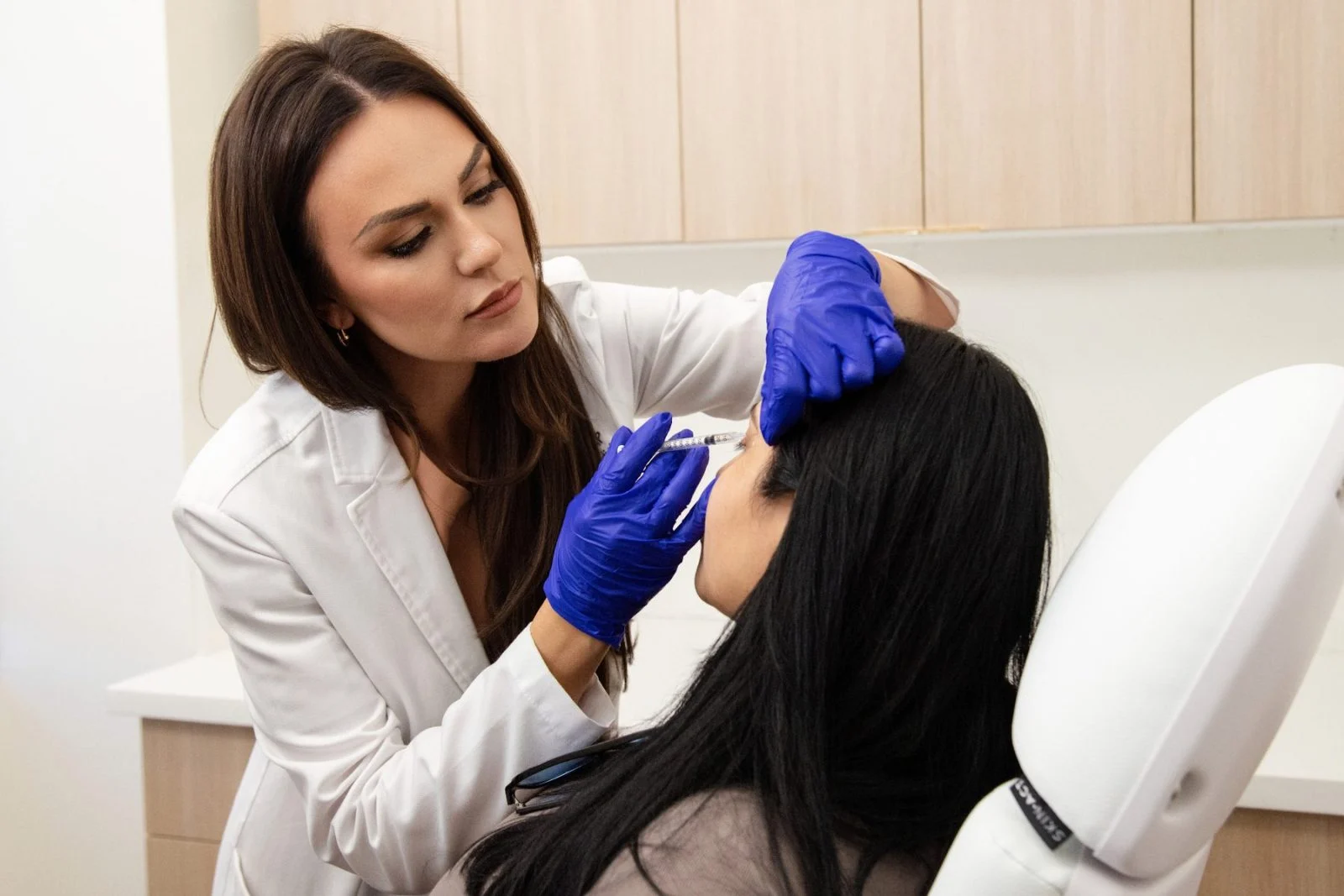
Skin concerns rarely stay in one lane. A patient may come in hoping to soften acne scars and mention, almost as an afterthought, that their skin has started looking dull, their pores feel more visible, or the lower face seems less firm than it did a few years ago. That is part of what makes laser medicine so useful when it is done well. The right platform can address texture, tone, laxity, vascular concerns, and signs of aging without forcing every person into the same plan.
Fotona has become a familiar name in practices that take a broad, practical approach to aesthetic care. The appeal is not hype. It comes down to versatility, precision, and the ability to customize treatment depth and intensity based on what the skin actually needs. For patients exploring Fotona Laser Treatments Encino, CA, that matters. Encino patients are often balancing professional visibility, active social schedules, sun exposure, and a strong preference for treatments that deliver visible change without unnecessary downtime. A laser platform that can be adjusted for subtle refinement or more significant resurfacing fits that reality.
What follows is a grounded look at how Fotona treatments work, what they are commonly used for, and what people in Encino should realistically expect before booking a session.
Why Fotona stands out in a busy aesthetics market
There is no shortage of laser devices in medical aesthetics. Some are excellent at one narrow task. Others promise to do everything and do very little especially well. Fotona has earned attention because it combines multiple wavelengths and treatment modes that let providers work at different layers of tissue. In simple terms, that means one platform can be adapted to improve superficial skin quality, stimulate deeper collagen remodeling, target pigment or redness in selected cases, and even tighten tissue in non-surgical ways.
That flexibility matters because skin concerns overlap. Fine lines rarely appear without some change in tone or elasticity. Acne scars often come with redness, enlarged pores, or post-inflammatory discoloration. Around the eyes and mouth, crepey texture may coexist with volume loss and dynamic movement. An experienced provider does not Fotona Laser Treatments Encino, CA treat these issues as isolated boxes. They assess what is driving the appearance and choose settings, passes, and treatment intervals accordingly.
Another reason Fotona has remained relevant is that it can serve different comfort levels and timelines. Some patients want a gentler series with minimal interruption to work. Others are willing to trade a few more recovery days for stronger resurfacing. The same platform can often accommodate both approaches when used by a trained clinician.
The skin concerns people in Encino bring to consultation most often
Encino has a patient population that tends to be informed, appearance-conscious, and practical. Many know the broad category of treatment they want before they walk in, but they are not always sure which technology best matches their goals. A common pattern is someone asking for “laser tightening” when the actual issue is a mix of sun damage, rough texture, mild laxity, and pigment irregularity. Another patient may request resurfacing for scars but be more bothered by persistent redness than by the scar depth itself.
The most frequent concerns that lead people to ask about Fotona include early to moderate fine lines, uneven texture, enlarged pores, residual acne scarring, mild skin laxity, under-eye crepiness, lip area lines, and age-related changes in brightness and firmness. Some also seek treatment for body areas where skin quality has changed, particularly the neck and décolletage, which often reveal sun exposure faster than the face.
Sun is an important part of the local context. Even people who are diligent with SPF often accumulate years of incidental exposure through driving, walking, and outdoor routines. In Southern California, “I’m not really in the sun that much” can still mean enough UV exposure to influence pigment, collagen breakdown, and vascular visibility over time.
How Fotona technology actually works
Fotona systems commonly use two complementary laser wavelengths, erbium:YAG and Nd:YAG. That technical distinction matters less to most patients than what each wavelength allows a provider to do.
Erbium:YAG is often used for more superficial or ablative work, where the goal is controlled resurfacing. It can remove very fine layers of damaged skin, smooth irregular texture, and stimulate renewal with a relatively precise level of tissue interaction. This is often the part of treatment that helps with roughness, acne scars, etched lines, and visible photoaging.
Nd:YAG penetrates more deeply and is frequently used for heating tissue below the surface without ablating the top layer in the same way. That deeper thermal effect can support collagen remodeling and tightening. Depending on the protocol, it may also be used for vascular issues or to improve overall firmness and tone.
One of Fotona’s better-known concepts is layered treatment. Rather than relying on a single pass with one goal, a session may involve superficial polishing, deeper collagen stimulation, and targeted tightening in a sequence designed to create a more balanced result. This layered strategy tends to produce improvements that look natural because it addresses more than one component of aging or damage at the same time.
Popular Fotona treatment approaches and what they target
Different practices may use slightly different names or custom protocols, but several Fotona treatment styles show up repeatedly in aesthetic care.
Smooth-mode treatments are often chosen for non-ablative tightening and collagen stimulation. These can be helpful when a patient wants fresher, firmer-looking skin with limited downtime. They are commonly used around the eyes, mouth, and lower face, and in some settings they can also support tissue tightening from inside the oral cavity to treat perioral and lower facial laxity.
Resurfacing treatments, including more ablative erbium approaches, are stronger tools for textural change. They tend to be considered when acne scarring, visible fine lines, and chronic roughness are more prominent. Recovery is usually more noticeable than with a lighter tightening session, but so is the potential impact on texture.
Combination protocols often make the most sense. A patient in their forties may not need aggressive resurfacing all over the face, but might benefit from targeted resurfacing near the mouth plus broader non-ablative tightening through the cheeks and jawline. That kind of tailored plan is more sophisticated than offering one preset treatment to everyone.
What a consultation in Encino should include
A proper laser consultation is more than a quick look at the skin under bright office lights. The best visits are detailed and a little investigative. A provider should ask about medical history, current skincare, prior procedures, tendency toward pigment changes, herpes simplex history if treating around the mouth, active acne or dermatitis, and recent sun exposure. They should also ask a deceptively simple question: what bothers you most when you look in the mirror?
That question often reveals the difference between what a provider sees clinically and what the patient actually values. A physician may focus on diffuse texture, while the patient is fixated on etched lines around the lips. If the plan does not align with the patient’s priorities, even technically good work can feel disappointing.
For patients seeking Fotona Laser Treatments Encino, CA, seasonal timing deserves discussion too. Laser care is not impossible in warm climates, but treatment planning should account for sun habits, travel, hiking, pool time, and major events. Someone leaving for a beach vacation in ten days is usually not an ideal candidate for a stronger resurfacing session that week.
Who tends to benefit most
Not every skin concern calls for Fotona, and not every patient is a perfect candidate at a given moment. In practice, the best candidates often fall into a few broad groups:
- People with early to moderate signs of aging who want firmer, smoother skin without surgery.
- Patients with acne scarring or uneven texture who are ready for a series of treatments or a resurfacing plan.
- Those noticing crepey skin around the eyes or lines around the mouth that topical products have not meaningfully improved.
- Patients seeking gradual, natural-looking change rather than dramatic volume-based correction.
- Individuals willing to follow pre- and post-care carefully, especially around sun avoidance.
Even within those groups, skin tone, medical history, timing, and expectations shape the final recommendation. In some cases, another modality may be the better first step.
The question of skin tone and safety
One of the most important parts of laser planning is understanding how skin tone affects risk. Patients with more melanin in the skin can absolutely be treated with lasers, but settings, wavelength choice, treatment density, and preparation matter a great deal. Post-inflammatory hyperpigmentation is a real consideration, especially if treatment is too aggressive or the skin is not properly protected afterward.
This is where experience counts. An expert provider does not simply say “yes” or “no” based on a quick glance. They consider Fitzpatrick skin type, recent tanning, history of pigment changes after inflammation, and the specific concern being treated. Sometimes they recommend beginning with conservative settings or choosing a series of lower-intensity sessions rather than one aggressive procedure. That judgment often makes the difference between a good outcome and a frustrating complication.
What treatment day feels like
Experiences vary depending on the protocol. A lighter tightening session may feel like repeated heat pulses with a prickling sensation, usually quite tolerable with topical numbing or cooling measures. A stronger resurfacing treatment can feel more intense and usually requires more deliberate comfort management. Patients often describe it as a hot, snapping, or stinging sensation during treatment, followed by several hours of heat similar to a significant sun exposure.
Appointment length depends on the area treated and the complexity of the protocol. A focused area may take less than an hour, while a full-face combination treatment can require more time for numbing, the procedure itself, and post-treatment instructions. Good practices do not rush this. The setup, photography, and aftercare discussion are part of the treatment, not administrative extras.
Immediately afterward, redness is common. Depending on the intensity, there may also be swelling, a bronzed look, pinpoint crusting, or a sandpaper-like texture as the skin starts to renew. Patients are often relieved to hear that some of the roughness they notice in the first several days is part of the normal healing process rather than a sign that something is wrong.
Downtime, healing, and when results show up
This is the area where expectations need to be specific. “Minimal downtime” can mean very different things to different people. For one patient, it means they can attend Zoom meetings with tinted sunscreen the next day. For another, it means they do not want to be visibly red at a school event three days later. Those are not the same standard.
A mild non-ablative session may leave pinkness for a day or two and subtle dryness afterward. A more robust resurfacing treatment may involve several days of visible redness, swelling, and exfoliation, with residual pinkness that fades more gradually. Makeup timing varies based on how much ablation was performed and how the skin is healing.
Results also arrive on different clocks. Surface brightness and smoothness may improve relatively quickly once healing settles. Tightening and collagen remodeling take longer. In many cases, the skin continues to look better over several weeks to a few months as new collagen forms and tissue response evolves. Patients who understand that timeline are usually happier than those who expect final results in one week.
Where Fotona fits among other treatment options
One of the more honest conversations in aesthetics is not whether a treatment works, but where it fits. Fotona can be excellent for tightening and resurfacing, but it is not a direct substitute for every other category of care.
If the primary issue is significant facial volume loss, filler or biostimulatory injectables may do more than laser alone. If the concern is heavy jowling or substantial neck laxity, surgery may offer a better result than repeated energy-based treatments. If redness and flushing from rosacea are dominant, a vascular-specific laser may be the smarter first move. If pigment is the main complaint, the best treatment depends on whether the discoloration is epidermal, dermal, hormonal, inflammatory, or sun-induced.
The strongest aesthetic plans are often combined ones. A patient might undergo Fotona for texture and tightening, use neuromodulators for dynamic lines, and follow with a medical skincare plan to maintain pigment control and barrier health. This is not overtreatment when done thoughtfully. It is matching the tool to the problem.
The role of skincare before and after treatment
Laser outcomes are shaped by what happens between appointments. Skin that is inflamed, over-exfoliated, freshly tanned, or poorly moisturized does not heal as predictably. Patients using strong retinoids, acids, or prescription actives often need a short pause before treatment, depending on the plan. Those with melasma or pigment-prone skin may need pretreatment conditioning under physician guidance.
Afterward, simple skincare usually wins. Gentle cleansing, appropriate occlusion or moisturization, sun protection, and strict avoidance of picking are the basics that matter most. People often sabotage good treatments by resuming active products too soon because they think more stimulation means faster results. In reality, irritated skin heals more slowly and can become blotchy or post-inflammatory.
The smartest patients treat post-laser care like athletic recovery. The procedure is the stimulus. Healing is where the adaptation happens.
Questions worth asking before you commit
A short consultation can still reveal a lot if the questions are right. Before scheduling, ask:
- Which Fotona protocol are you recommending for my specific concerns, and why?
- How many sessions do you expect I will need for a meaningful result?
- What will I likely look like on day one, day three, and day seven?
- How often do you treat patients with my skin type and concern?
- What are the realistic limitations of this treatment for me?
These questions do more than gather information. They show whether the provider is thinking in a personalized way or delivering a canned pitch.
Cost, value, and the temptation to chase bargains
Pricing for laser treatment varies widely by area treated, provider expertise, protocol intensity, and whether a plan includes a single session or a series. Patients naturally compare prices, but laser medicine is one of the worst categories in which to shop by lowest number alone. The machine matters, yet operator judgment matters more. Settings that are too weak can waste money on ineffective sessions. Settings that are too strong can create prolonged redness, pigment problems, or scarring risk.
A fair way to think about cost is to ask what you are buying besides time on a machine. You are paying for assessment, customization, safety, aftercare, and the ability to adjust if your skin reacts differently than expected. In the best offices, treatment does not end when you leave the room. There is a follow-up plan, guidance for healing, and a clinician who knows when patience is enough and when intervention is needed.
What results tend to look natural
Patients often worry that laser treatment will leave them looking overly treated. With Fotona, the better outcomes usually read as healthy rather than obvious. Skin reflects light more evenly. Fine lines soften instead of disappearing in a way that seems unnatural. Pores appear less conspicuous. The jawline may look a bit cleaner, the under-eye area a bit smoother, the overall complexion more rested.
That natural quality comes from cumulative changes in the skin, not artificial volume or drastic structural alteration. It is one reason many professionals and camera-conscious patients are drawn to this Fotona Laser Treatments Encino, CA category of treatment. Friends may comment that someone looks refreshed without identifying why.
Subtle does not mean ineffective. A well-executed treatment often improves the things people register unconsciously, texture, tightness, and luminosity, which can make the face appear healthier even before anyone can name a single line that has changed.
The Encino perspective: lifestyle matters
Local lifestyle shapes treatment planning more than many people expect. Encino patients frequently want procedures that work hard without forcing them off the calendar for too long. They may have business obligations, social events, school functions, workouts, or frequent driving in strong daylight. That does not rule out stronger laser work, but it does mean timing and aftercare discipline are central.
It also means maintenance matters. One treatment, even an excellent one, is not a permanent shield against sun, time, or collagen loss. Many patients do best with an initial corrective phase followed by periodic maintenance treatments and consistent skincare. That rhythm tends to preserve gains without creating abrupt swings in appearance.
For those considering Fotona Laser Treatments Encino, CA, the most useful mindset is neither skepticism nor blind enthusiasm. It is informed optimism. Fotona can be a very effective option for texture, tightening, and overall rejuvenation when the plan is individualized and the operator is skilled. The real value lies not in the device name alone, but in how precisely it is matched to the face, the skin, the season, and the person sitting in the chair.
Done that way, laser treatment feels less like chasing perfection and more like restoring clarity, resilience, and confidence to skin that has been carrying the visible imprint of stress, sun, acne, and time. That is a much more realistic standard, and usually a more satisfying one too.
OMNIA Wellness Center
Address: 16430 Ventura Blvd Ste 207, Encino, CA 91436
Phone number: +18183868511
FAQ About Fotona Laser Treatments Encino, CA
What is a Fotona laser good for?
A Fotona Laser system is a versatile, dual-wavelength medical laser used primarily for non-surgical skin tightening, anti-aging rejuvenation, and dermatological treatments.
How much does the Fotona laser cost?
The cost of a Fotona laser depends heavily on whether you are looking to purchase a laser machine for a medical practice or are a patient seeking a laser treatment at a medspa.
Is a Fotona laser worth it?
A Fotona laser treatment is generally worth it if you want non-surgical skin tightening, improved texture, and collagen stimulation with very little downtime.