How Fotona Laser Treatments in Encino, CA Deliver Non-Surgical Results
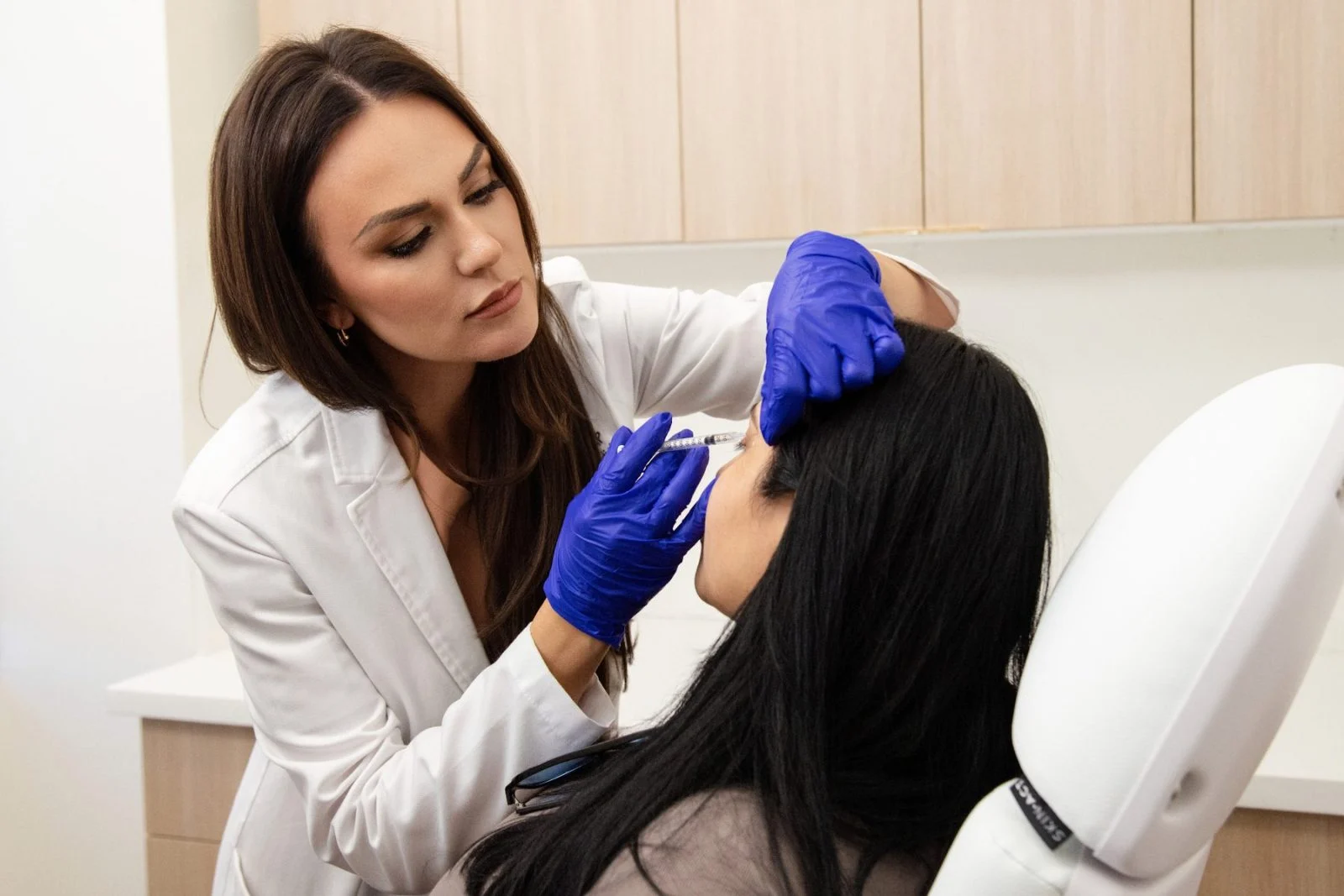
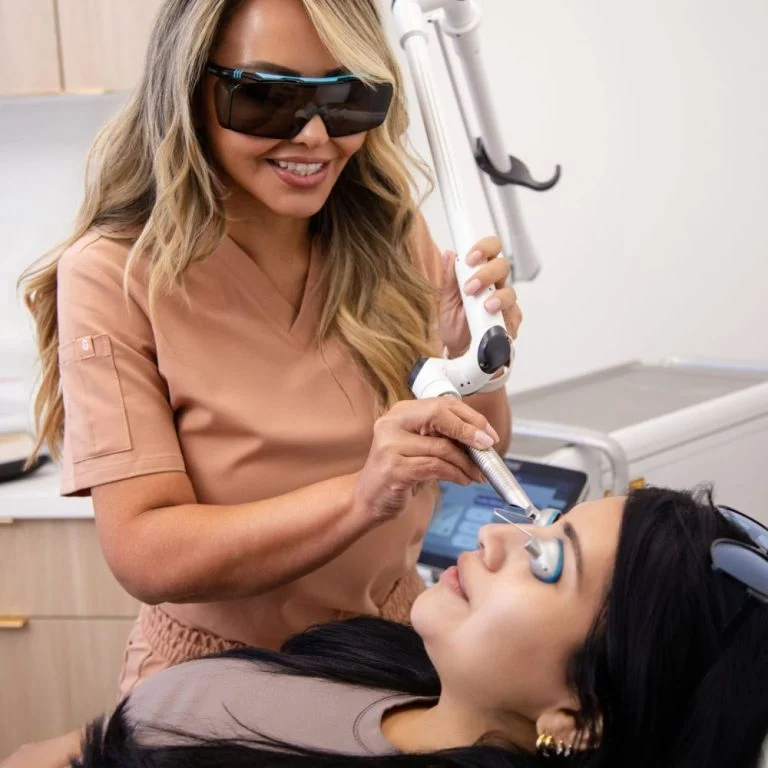

A growing number of patients want visible improvement without surgery, long scars, or weeks away from work and family. That shift has changed the conversation in aesthetic medicine. People still want firmer skin, smoother texture, better tone, less laxity, and a refreshed appearance, but many are no longer willing to accept the downtime, cost, or risk profile that often comes with a surgical procedure. That is where laser technology has become especially relevant, and Fotona has earned attention for a reason.
When patients ask why Fotona laser treatments have become such a frequent recommendation in Encino, the answer is usually not hype. It comes down to versatility, tissue precision, and the ability to address several concerns with a non-surgical approach. In a community where patients often want natural-looking results and minimal interruption to daily life, Fotona Laser Treatments Encino, CA practices offer can fit remarkably well into real schedules and realistic expectations.
What matters most, though, is understanding what “non-surgical results” actually means. It does not mean a laser duplicates a facelift in every case. It does not mean every patient gets dramatic change after one visit. It means the right laser settings, on the right patient, for the right concern, can trigger meaningful improvement in skin quality, tightening, and rejuvenation without incisions or general anesthesia. For many people, that is exactly the middle ground they have been looking for.
Why Fotona stands out in a crowded laser market
Many aesthetic devices promise renewal, tightening, collagen support, or resurfacing. In practice, the difference is in how energy is delivered and how flexibly a device can be adapted. Fotona systems are widely known for using laser wavelengths that can target both superficial and deeper tissue layers. That matters because aging rarely shows up in only one place. Fotona Laser Treatments Encino, CA Fine lines sit on the surface, but laxity develops deeper. Texture can be rough while the lower face loses firmness. Acne scars may involve both uneven topography and discoloration.
A laser platform that can work at different depths gives clinicians more room to tailor treatment. Instead of taking a one-size-fits-all approach, a provider can adjust treatment intensity and strategy based on the patient’s skin type, tolerance for downtime, and main goal. Someone preparing for a wedding in six weeks needs a different plan than someone willing to accept several days of redness for stronger resurfacing.
That flexibility is one of the practical reasons Fotona has gained traction. It is often used for facial rejuvenation, skin tightening, textural refinement, acne scar work, pigment concerns, and even certain intimate wellness treatments, depending on provider training and scope of practice. In skilled hands, it is not just one treatment. It is more like a platform with several ways to create controlled tissue change.
Non-surgical does not mean superficial
One common misconception is that anything non-surgical must be mild. Sometimes that is true. A light lunchtime facial treatment may give a glow, but little structural change. Fotona occupies a more serious category than that. It is still non-surgical, but it can create controlled thermal and ablative effects that encourage the body to remodel tissue over time.
This distinction matters because the best aesthetic results often come from biology, not just immediate swelling or temporary cosmetic coating. Lasers work by creating intentional, measured energy delivery. Depending on the treatment mode, that energy can remove damaged superficial tissue, heat deeper structures to stimulate collagen remodeling, or combine both effects in a staged treatment plan.
Collagen remodeling is one of those terms that gets overused, but in this setting it is the right concept. As skin ages, collagen production slows and structural support weakens. Heat delivered in the proper way can stimulate a repair response. Patients do not walk out with a brand-new face that afternoon. Instead, the skin gradually becomes firmer, smoother, and often more refined in texture over the following weeks to months.
That slow improvement is actually a strength for many people. The result tends to look believable. Friends may comment that someone looks well-rested or fresher, rather than obviously “worked on.”
The concerns Fotona treatments are often chosen for
In real practice, most patients do not arrive asking for a wavelength or laser mode. They describe what bothers them in the mirror. Usually, it is one of a handful of themes: crepey skin around the eyes, lines around the mouth, early jowling, acne scars, rough skin texture, enlarged pores, dullness, or sun damage from years of Southern California exposure.
Encino patients often present with a mix of these concerns. That is not surprising. Daily UV exposure, even with decent sunscreen habits, adds up over time. Add stress, sleep loss, hormonal shifts, and normal collagen decline, and skin starts to show it. Some are not ready for surgery. Others simply do not need it. A forty-two-year-old with mild lower face laxity and etched smile lines may be far better served by a laser-based tightening and resurfacing plan than by an operation that would be premature.
Fotona is frequently considered when patients want improvement in:
- early to moderate skin laxity
- fine lines and wrinkles
- acne scars or uneven texture
- enlarged pores and dull tone
- areas that need precision, such as around the eyes or mouth
That range is one reason it appears so often in treatment discussions. A patient may come in focused on texture, then realize the same platform can also support tightening. Or someone who wants a fresher eye area may benefit from both surface refinement and deeper collagen stimulation.
How the treatment creates visible change
The phrase “laser treatment” can sound abstract until you understand what is happening in the skin. Broadly, Fotona treatments can work in two main ways, sometimes separately and sometimes in combination.
The first approach is resurfacing. This involves treating the skin surface to improve roughness, lines, superficial sun damage, and some scar irregularity. Depending on intensity, resurfacing can range from lighter polishing to more noticeable downtime with peeling and redness. Patients who have lived with acne scarring or etched textural damage often notice this aspect of treatment the most.
The second approach is thermal tightening. Here, the laser energy is used to heat tissue in a controlled way, often deeper than the visible surface, to stimulate collagen contraction and remodeling. This is what helps create non-surgical tightening. It tends to be subtler than surgery but can be very satisfying in patients with mild to moderate laxity.
In practice, a provider may layer these concepts. That is where the treatment becomes more strategic. A patient with early lower face sagging, crepey under-eye skin, and rough texture from sun exposure might receive a plan that addresses both the surface and the supporting layers beneath it. The result is not just smoother skin. It is skin that behaves younger.
Why patients in Encino often prefer this route
Local preferences matter more than many people realize. In Encino, patients are often balancing career visibility, social commitments, exercise routines, and school or family responsibilities. Very few can disappear for a prolonged recovery. Even those who can take time off are often hesitant to do so unless the expected payoff clearly justifies it.
Non-surgical treatments appeal to this group because they can often be customized around downtime tolerance. Some patients are comfortable with a few days of redness and swelling if it means a stronger result. Others want something gentler that can be repeated. Fotona gives clinicians options along that spectrum.
There is also an aesthetic preference at play. A lot of patients in this market do not want to look dramatically altered. They want to look polished, healthy, and rested. A laser treatment that improves tone, texture, and firmness gradually fits that goal better than an abrupt change.
Another practical reason is age range. Surgical rejuvenation tends to make sense for a narrower patient group. Fotona laser treatments can be appropriate for younger adults starting to see early aging changes, middle-aged patients trying to delay surgery, and even older patients who are not surgical candidates or simply do not want surgery. The treatment philosophy shifts, but the platform remains useful.
What a real treatment course can look like
One of the most important conversations in consultation is expectation setting. The strongest outcomes usually do not come from a single quick appointment. They come from a treatment plan. That plan may involve one more intensive session, a series of lighter sessions, or a combination performed over several months.
For example, a patient with acne scarring and enlarged pores may need multiple treatments because scar remodeling is gradual. Another patient focused on skin tightening might notice some early improvement within weeks, with better definition emerging over two to three months as collagen remodeling continues. Someone treating both redness and texture may need staged care so the skin can heal properly between sessions.
This is where good providers earn trust. They do not oversell “one and done” results if the concern clearly requires more than that. They explain what is likely, what is possible, and what is unrealistic.
A straightforward consultation usually covers:
- the main concern to prioritize
- how much downtime the patient can accept
- whether multiple sessions are likely
- what improvement range is realistic
- how maintenance may fit into the long-term plan
That kind of clarity prevents disappointment. It also helps patients compare laser treatment honestly against alternatives like injectables, radiofrequency devices, peels, microneedling, or surgery.
The difference between improvement and replacement
This is where professional judgment matters most. A laser can tighten, refine, brighten, and stimulate renewal. It cannot remove large amounts of excess skin. It cannot reposition deep structures the way surgery can. Patients with significant neck laxity, heavy jowling, or pronounced facial descent may still be better candidates for a surgical consultation.
That does not mean Fotona is not Fotona Laser Treatments Encino, CA valuable in those cases. Sometimes it plays a supportive role. A patient may use laser treatment to improve skin quality before or after a surgical procedure. Others may choose laser because they are not ready for surgery yet, even knowing the results will be moderate rather than transformative.
The best outcomes happen when the treatment matches the problem. Mild eyelid crepiness, fine smoker’s lines, superficial scars, and early lower-face softening can respond well to laser-based care. Advanced tissue descent usually calls for a different conversation.
Patients often appreciate this honesty. Most are not looking for perfection. They want to know if a treatment is worth the time and money. A well-selected non-surgical treatment often is.
Downtime, discomfort, and recovery in plain terms
Recovery varies with treatment intensity. That sounds obvious, but many patients have seen online before-and-after images without understanding how different the treatment settings may have been. A light tightening treatment may leave someone pink for a few hours to a day. A more aggressive resurfacing session can involve several days of redness, swelling, bronzing, or peeling.
Discomfort also varies. Some Fotona treatments feel warm and prickly. Others, especially stronger resurfacing approaches, can be more intense and may involve topical numbing, cooling, or other comfort measures based on the practice and treatment type. Most patients tolerate treatment well when they know what to expect.
The social downtime question is usually more important than the pain question. Can you go to dinner that night? Return to Zoom meetings tomorrow? Put on makeup in two days? Work out over the weekend? Those answers depend on the specific settings used.
That is why broad internet descriptions are often misleading. One person’s “no downtime” treatment may be another person’s three-day recovery if a stronger protocol was chosen. In reputable Encino practices, this is discussed before treatment, not after.
Safety depends on the device, but even more on the operator
The laser industry often focuses on machines, but outcomes are deeply operator dependent. The same platform can produce elegant, natural rejuvenation in one office and disappointing or overly aggressive treatment in another. Laser settings, patient selection, skin preparation, and aftercare all matter.
This is especially important for patients with deeper skin tones, a history of post-inflammatory hyperpigmentation, active melasma, recent sun exposure, or medications that increase sensitivity. A cautious, experienced provider adjusts treatment based on those factors. Not every concern should be treated the same way on every skin type.
Southern California also adds a practical challenge: sun exposure. Even motivated patients sometimes underestimate how much incidental UV they get walking the dog, driving, or sitting at an outdoor lunch. After laser treatment, that exposure can complicate healing and pigment control. Providers in Encino who treat a lot of laser patients tend to emphasize this because they have seen what happens when aftercare is ignored.
How Fotona compares with other non-surgical options
It helps to place Fotona in context. If a patient’s main issue is lost facial volume, filler may create a more direct improvement. If muscle movement is etching forehead or crow’s feet lines, neurotoxin may be the better first step. If laxity is mild and the patient wants gradual tightening without surface change, other energy-based devices may also be considered.
Fotona becomes especially compelling when skin quality is part of the complaint. Texture, pore visibility, crepiness, superficial lines, and certain scars often need more than injectable treatment. Volume replacement cannot polish the skin surface. Toxin does not tighten loose tissue. A laser can address a different layer of the problem.
Often, the smartest plan is combined care. A patient might use Fotona for tightening and resurfacing, neurotoxin for dynamic lines, and conservative filler only where structural support is truly missing. That layered approach usually looks better than over-relying on any single modality.
This is another reason the “non-surgical results” phrase fits. The goal is not to imitate surgery at all costs. The goal is to improve what can be improved non-surgically, and to do it in a way that remains balanced and natural.
What results tend to look the most satisfying
The happiest laser patients are usually not the ones chasing a completely different face. They are the ones who want to look like themselves, only less tired and less weathered. In my experience, the most satisfying outcomes tend to share a few qualities: skin looks smoother up close, makeup sits better, pores are less obvious, the lower face appears a bit firmer, and there is a subtle brightness that reads as health rather than treatment.
Around the eyes, small changes can have an outsized effect. Crepey texture softens, the skin reflects light better, and the whole upper face can appear more rested. Around the mouth, resurfacing can soften fine etched lines that often make lipstick bleed or collect. On the cheeks, improvement in acne scarring or roughness can make skin look significantly younger even if nobody can identify exactly why.
Those changes matter because they affect the daily mirror, not just photographs taken under perfect lighting. Patients notice how their skin behaves at 7 a.m., in office lighting, or after a long day. That is where real value shows up.
Choosing the right provider for Fotona Laser Treatments Encino, CA
Anyone considering Fotona Laser Treatments Encino, CA providers offer should spend as much energy choosing the practice as choosing the technology. Start with consultation quality. Does the provider ask about your goals, timeline, prior treatments, sun habits, and skin history? Do they explain what the laser can and cannot do? Do they offer alternatives if the laser is not the best fit?
Look closely at how specific they are. Vague promises are a warning sign. Strong consultations are grounded, not theatrical. They mention realistic timelines, likely recovery, and the possibility that several sessions may be needed. They also discuss aftercare in practical terms, because healing is part of the treatment, not an afterthought.
Before-and-after photos can be helpful, but only when interpreted carefully. Look for consistency in lighting, angle, and expression. Notice whether the improvements look natural. Be cautious with images that show dramatic change without any explanation of how many sessions were involved or whether other treatments were performed at the same time.
The long view on non-surgical rejuvenation
A good laser treatment is rarely just a one-time cosmetic event. It often becomes part of a broader skin strategy. Patients who protect their results with sunscreen, topical skincare, and sensible maintenance usually get more value from treatment than those who expect one session to override years of cumulative sun damage.
There is also a psychological advantage to this approach. Non-surgical rejuvenation lets patients intervene earlier and more gradually. They do not have to wait until they feel they need a major correction. They can improve skin quality while changes are still manageable, which often delays the point at which more invasive procedures are considered.
That long view is one reason Fotona has staying power. It serves both corrective and maintenance goals. It can help the patient who wants to address visible damage now, and it can support the patient who wants to age more deliberately over time.
When chosen well, the treatment does not scream “laser.” It simply makes the face and skin read as healthier, firmer, and better cared for. For many patients in Encino, that is the sweet spot: meaningful change, no surgery, and results that fit real life rather than disrupting it.
OMNIA Wellness Center
Address: 16430 Ventura Blvd Ste 207, Encino, CA 91436
Phone number: +18183868511
FAQ About Fotona Laser Treatments Encino, CA
What is a Fotona laser good for?
A Fotona Laser system is a versatile, dual-wavelength medical laser used primarily for non-surgical skin tightening, anti-aging rejuvenation, and dermatological treatments.
How much does the Fotona laser cost?
The cost of a Fotona laser depends heavily on whether you are looking to purchase a laser machine for a medical practice or are a patient seeking a laser treatment at a medspa.
Is a Fotona laser worth it?
A Fotona laser treatment is generally worth it if you want non-surgical skin tightening, improved texture, and collagen stimulation with very little downtime.