How Safe Is the Fotona 4D Laser Facial (TimeWalker)?
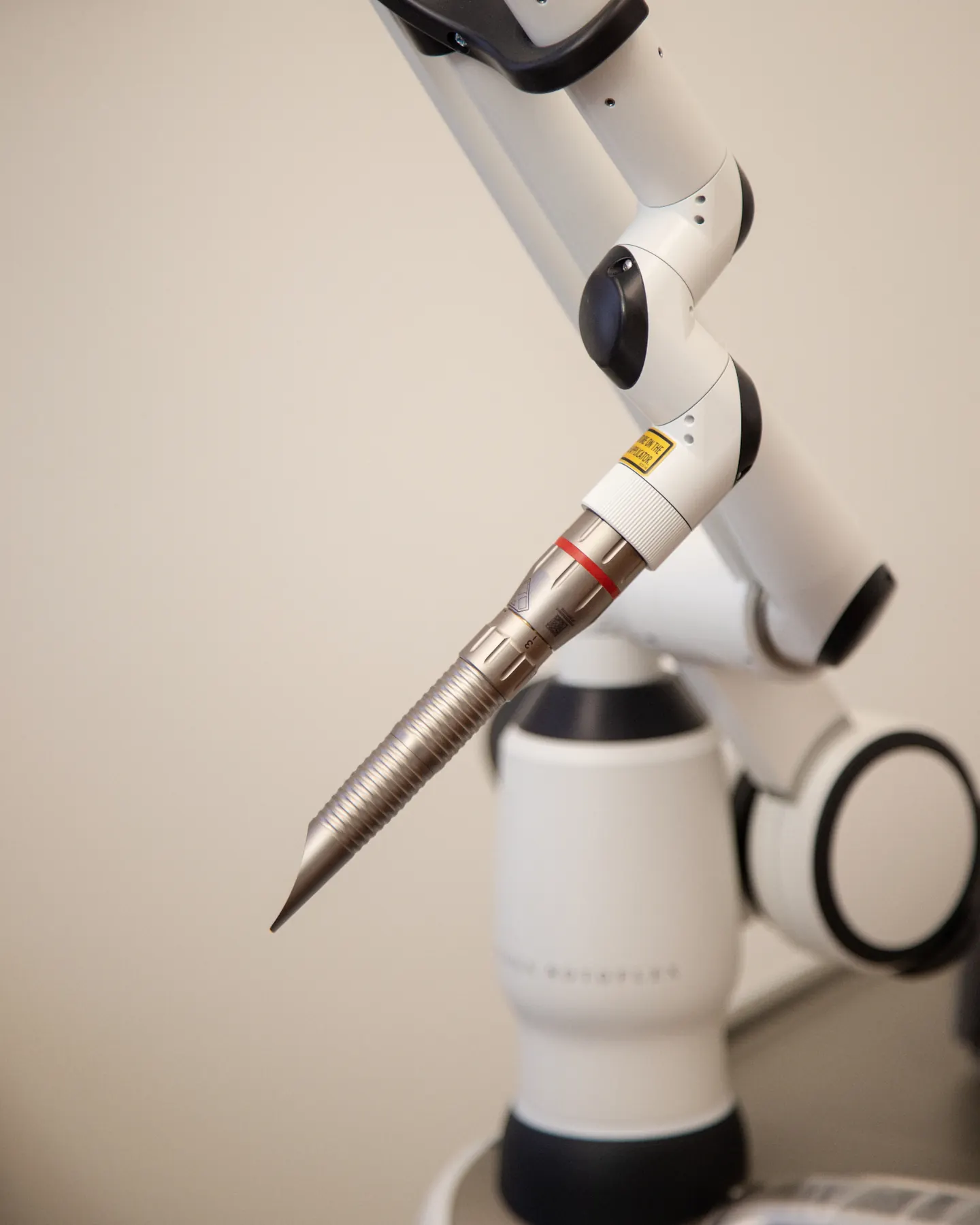
Safety is the first serious question worth asking about any laser treatment, especially one marketed with phrases like tightening, lifting, resurfacing, and rejuvenation in the same breath. The Fotona 4D Laser Facial (TimeWalker) sits in that category. It is often presented as a non-surgical way to improve skin texture, stimulate collagen, soften lines, and create a firmer look with little downtime. That combination is appealing, but it also makes patients wonder whether it is too good to be gentle.
The short answer is that the Fotona 4D Laser Facial (TimeWalker) is generally considered safe when performed on the right patient, at the right settings, by an experienced medical professional. That sentence matters because every part of it carries weight. Laser treatments are not inherently safe just because they are common, and they are not inherently risky just because they sound technical. Results and safety both depend on skin type, treatment goals, the operator’s training, recent sun exposure, medical history, and how aggressive the session is.
People often want a simple yes or no. In practice, laser safety is more layered than that. Most adverse effects with Fotona 4D are mild and temporary, such as redness, swelling, dryness, a warm sensation, or slight flaking. More significant complications, while less common, can happen. These may include burns, prolonged inflammation, post-inflammatory hyperpigmentation, unexpected texture changes, cold sore flare-ups around the mouth, or uneven results. None of that means the treatment is unsafe across the board. It means it belongs in the hands of someone who knows when to treat, when to delay, and when to choose something else entirely.
What the treatment actually is
Fotona 4D is not a single laser pass. It is a protocol that typically combines different modes using Er:YAG and Nd:YAG wavelengths. Depending on the clinic and the machine platform, the treatment may be described under TimeWalker branding, with emphasis on anti-aging, tightening, or full-face rejuvenation. The “4D” concept refers to multiple treatment dimensions or stages, often including work inside the mouth to heat tissue and support tightening from within, along with external passes aimed at collagen remodeling, skin texture, and superficial polishing.
That sounds elegant on paper, but it helps to translate it into plain terms. One part of the treatment heats deeper tissues to encourage remodeling. Another part may target the skin surface more directly for refinement. The intraoral step, which surprises many first-time patients, is used because the inside of the cheek allows energy delivery near areas that contribute to lower-face laxity and nasolabial folds. It is not a facelift, and it does not create surgical-grade lifting. What it can do, in a well-selected patient, is create a modest but visible improvement in tone, texture, and firmness over time.
From a safety standpoint, this layered design has a benefit and a catch. The benefit is flexibility. Providers can often adjust the intensity and focus of treatment based on the patient’s skin, tolerance, and goals. The catch is that more moving parts require more judgment. A provider needs to understand not only the machine, but also how the separate stages interact on a given face.
Why it is generally considered safe
There are a few reasons the Fotona 4D Laser Facial (TimeWalker) has earned a relatively favorable safety reputation in experienced clinics.
First, the technology itself is well-established. Er:YAG and Nd:YAG lasers are not exotic newcomers. They have long been used in dermatology and aesthetic medicine for resurfacing, tightening, vascular work, and other skin applications. That does not eliminate risk, but it does mean practitioners are working with familiar laser physics rather than experimental devices with limited real-world history.
Second, the treatment can be customized. Not every session needs to be aggressive. In fact, many safe and satisfying outcomes come from a conservative first treatment followed by reassessment. That approach is especially sensible in patients with reactive skin, a history of pigment issues, or uncertainty about how much downtime they can tolerate.
Third, recovery is often manageable. Compared with fully ablative laser resurfacing, Fotona 4D usually involves less visible injury and shorter downtime. A patient may look flushed or mildly swollen for a day or two rather than needing a week or more of intense recovery. Lower downtime does not automatically equal safer treatment, but it often reflects a less disruptive approach when parameters are chosen appropriately.
The safety profile also benefits from the fact that a responsible provider can stop short of pushing the skin too hard. This is one of the most underrated aspects of laser medicine. The best treatment is not the most aggressive one the machine can physically deliver. It is the one that gives useful improvement while respecting the skin’s limits.
The side effects patients should realistically expect
Most people considering this treatment should plan for at least a brief period of looking and feeling “treated.” Anyone promising zero redness and no chance of swelling is probably overselling the experience.
Typical short-term effects include redness that may last several hours to a couple of days, a sensation of heat or tightness, mild swelling, tenderness around delicate areas, dryness, and a sandpapery texture as the skin renews. Some people describe the skin as feeling sun-kissed or wind-chapped for a day or two. Makeup can often be resumed quickly, depending on the specific settings used and whether any superficial resurfacing was performed.
The intraoral portion can leave the inside of the cheeks feeling slightly tender or warm, though this is usually brief. If the session included a more aggressive resurfacing step, there may be more visible flaking or peeling. Patients prone to irritation sometimes notice temporary breakouts, especially if they use occlusive products too soon afterward.
These reactions are common and usually not a sign that anything went wrong. The issue is duration and severity. Redness that fades predictably is expected. Redness that worsens after several days, becomes painful, or is accompanied by crusting needs prompt assessment.
The complications that matter most
Serious complications are less common, but they are the reason pre-treatment screening matters so much.
Pigment changes are one of the main concerns, particularly in patients with medium to deep skin tones, recent tanning, melasma, or a history of post-inflammatory hyperpigmentation. Even when a laser is technically safe for a broad range of skin types, safety is not identical across all settings and all patients. A conservative treatment plan may be appropriate for one person and still be a poor choice for another if the skin is already inflamed or sun-exposed.
Burns and blisters can occur if the laser energy is set too high, the skin is not assessed correctly, the handpiece is used poorly, or cooling and technique are inadequate. These injuries are uncommon in trained hands, but they are not imaginary. I have seen patients from various aesthetic settings who were told a burn was “normal redness,” only for it to declare itself a few days later as crusting and prolonged discoloration. That kind of delayed realization is emotionally rough because the patient often loses the chance for early intervention.
Herpes simplex flare-ups are another practical issue, especially when treating around the mouth. Anyone with a history of cold sores should mention it. Preventive antiviral medication is often considered in those cases. It is a small detail that makes a large difference.
Infection is uncommon but possible whenever the skin barrier is disrupted. Texture changes and scarring are rare, but the risk rises if an area is overtreated, picked at during healing, or exposed to too much sun too soon.
Eye safety deserves a separate mention. Proper ocular protection is non-negotiable during facial laser procedures. This is not a cosmetic extra. It is a core part of treatment safety.
Who tends to be a good candidate
Safety improves when the treatment matches the patient. The best candidates usually have mild to moderate concerns related to texture, fine lines, enlarged pores, or early laxity and understand that laser rejuvenation works gradually. They are in good general health, can follow aftercare, and are not looking for a surgical result from a non-surgical procedure.
A patient in their late thirties or forties with some early lower-face softening, crepey texture around the cheeks, and realistic expectations often does well. A patient with severe sagging, heavy jowling, untreated melasma, fresh tan lines, and an upcoming beach holiday in five days is a different story. That patient may not be unsafe to treat forever, but it may not be safe or wise to treat now.
What often gets overlooked is the emotional side of candidacy. People who are highly prone to regret, who expect one session to erase a decade of aging, or who have trouble tolerating any temporary redness may not be good candidates for this particular approach. Safe treatment includes safe expectation-setting.
When safety becomes more uncertain
There are situations where a cautious clinician slows down, modifies the plan, or says no.
Recent tanning is a big one. Tanned skin is more reactive and less predictable under laser energy. Active acne, eczema flares, barrier damage from overuse of retinoids or acids, and recent harsh exfoliation can also raise the risk of irritation or pigment problems. Pregnancy protocols vary by clinic and region, but many providers prefer to defer elective laser treatments during pregnancy out of caution rather than necessity.
Certain medications matter. Isotretinoin history, photosensitizing drugs, anticoagulants, and immunosuppressive therapy all warrant discussion. So does a personal history of keloids, poor wound healing, melasma, lupus, or vitiligo. A proper consultation should feel more like a medical intake than a spa chat.
Darker skin tones deserve particular care, not because they cannot be treated, but because the margin for error may be narrower depending on the treatment goal and settings. Some clinics handle this expertly. Others say “safe for all skin types” without showing the judgment that statement requires. Those are not the same thing.
Provider skill changes the safety equation
Two clinics can advertise the same machine and deliver very different levels of safety.
A strong provider evaluates more than wrinkles. They look at baseline redness, pigment distribution, skin thickness, dehydration, oral herpes history, recent procedures, and whether the Fotona 4D Laser Facial (TimeWalker) patient has been living in sunscreen or not using it at all. They ask what happened after prior facials, peels, lasers, and waxing. They do not treat a face as a flat surface. They treat a person with a history.
This is also where the consultation reveals a lot. If the provider cannot explain what each stage of the Fotona 4D Laser Facial (TimeWalker) is meant to do, how much downtime is realistic, and what complications they specifically watch for, that is useful information. A safe clinic is rarely the one making the boldest promise. It is usually the one speaking with the most precision.
A practical screening checklist should cover these points:
- Recent sun exposure or tanning
- History of melasma, hyperpigmentation, or keloids
- Cold sores or recurrent oral herpes
- Current skincare actives, including retinoids and exfoliating acids
- Prior procedures, medications, and healing history
That conversation can feel detailed, even picky. It should. Laser safety lives in the details.
What the session feels like, and whether pain relates to risk
Pain does not always equal danger, but discomfort is still worth discussing honestly. The treatment is usually tolerable, though not everyone experiences it the same way. The deeper heating components can feel hot and prickly. The resurfacing component may sting more sharply. The intraoral part feels unusual rather than truly painful for most people, though some patients find it the least pleasant step simply because of the setting inside the mouth.
Topical numbing may or may not be used depending on the protocol. Some providers prefer to avoid over-numbing because feedback from the patient can be helpful during treatment. That is not universal, but it reflects an important principle. A provider who is paying attention to how the patient is tolerating the session often works more safely than one who treats every face by rote.
Pain tolerance also influences post-treatment behavior. Patients who were uncomfortable during the session sometimes go home and over-apply active products, ice aggressively, or scrub the skin because it feels rough. That can worsen irritation. Good aftercare instructions prevent a lot of avoidable trouble.
Aftercare is not a side note
One of the most common reasons a decent laser treatment turns into a frustrating recovery is poor aftercare. The skin barrier needs a few quiet days. Patients who do best usually keep their routine boring for a short period. Gentle cleanser, bland moisturizer, strict sunscreen, and a temporary pause on exfoliants are often enough. Heat exposure, hard exercise, saunas, and direct sun can intensify redness in the immediate recovery window.
The first week matters more than many people think. Pigment complications are not always caused in the treatment room alone. They can be helped along by UV exposure, friction, picking, or jumping back into a strong skincare routine too fast. I have seen people do everything right during the procedure, then undo half that caution with a “quick” sunny walk and no hat because they thought a cloudy day did not count.
For patients prone to cold sores, following antiviral guidance is part of safety, not just comfort. For patients with a history of dermatitis, using only approved post-care products is equally important.
How it compares with other facial laser options
Safety is easier to understand when the treatment is placed in context. Fotona 4D usually sits between very light, low-downtime procedures and more aggressive resurfacing. It is often gentler than deep ablative resurfacing, but more active than a simple hydrating facial or superficial peel. That middle ground is the reason it appeals to so many people. It offers meaningful intervention without the recovery burden of stronger procedures.
Still, middle ground can create false confidence. Patients sometimes assume that because it is not the strongest laser available, it carries minimal risk. That is not quite right. Moderate treatments still need rigorous screening. They are simply designed to balance effect and downtime more conservatively.
Compared with radiofrequency microneedling, for example, Fotona 4D avoids needles but introduces laser-specific pigment and heat considerations. Compared with broad fully ablative resurfacing, it often has a gentler recovery but may require multiple sessions for cumulative benefit. Neither is categorically safer in every person. Safety depends on skin type, indication, and operator expertise.
Red flags that should make a patient pause
Most patients do not know laser settings, nor should they need to. They can still spot warning signs.
A careful clinic will not breeze past consent. It will not dismiss your history of pigmentation with “you’ll be fine.” It will not pressure you into same-day treatment if your skin is irritated or freshly tanned. It will not promise identical safety and results for every skin tone without nuance. It will not treat eye protection as optional, or aftercare as an afterthought.
These are practical red flags to watch for:
- No meaningful medical history is taken
- Your questions about pigment risk are brushed off
- You are sold on urgency rather than suitability
- Aftercare instructions are vague or generic
- The provider cannot explain their plan for your skin specifically
Patients often focus on the machine name because it feels concrete. In reality, the provider matters at least as much as the platform.
So, how safe is it really?
For an appropriate candidate treated by a skilled, medically informed provider, the Fotona 4D Laser Facial (TimeWalker) is generally a safe procedure with a favorable risk profile and manageable downtime. That is the fair answer, not the sales version. Most people will not experience a major complication. Many will have nothing worse than transient redness, warmth, mild swelling, and a few days of dryness or flaking.
The caveat is that laser safety is never automatic. It is earned through selection, planning, technique, and aftercare. The treatment becomes less safe when rushed, oversold, performed on the wrong skin at the wrong time, or carried out by someone who treats protocols as fixed recipes.
Patients tend to be happiest when they approach Fotona 4D as a medical aesthetic treatment rather than a beauty errand. Ask about pigment risk. Ask who performs the procedure. Ask what changes for your skin type, your history, and your goals. Ask what happens if you are one of the few who heal more slowly. Those questions do not make you difficult. They make you smart.
If the consultation is thoughtful and the answers are specific, that is usually a good sign. If it feels vague, rushed, or oddly casual for something involving lasers on the face, keep looking. With a treatment like this, safety is not hidden in the marketing language. It is visible in the quality of the judgment behind it.
OMNIA Wellness Center
Address: 16430 Ventura Blvd Ste 207, Encino, CA 91436
Phone: (818) 386-8511
FAQ About Fotona 4D Laser Facial (TimeWalker)
What are the benefits of Fotona laser treatment?
OMNIA offers this treatment for concerns such as uneven texture, dull tone, and fine lines. Results and the number of sessions vary, so discuss your goals with a provider.
Is Fotona laser safe?
A qualified provider should review your skin, medical history, medications, and recent sun exposure to determine whether the treatment is appropriate. Ask about possible irritation, pigment changes, and aftercare before booking.
How much does a Fotona 4D facelift cost?
Price depends on the treatment plan and number of visits. Ask OMNIA for an itemized estimate during your consultation.