Who Should Consider Fotona 4D Laser Facial (TimeWalker) in Encino, CA?
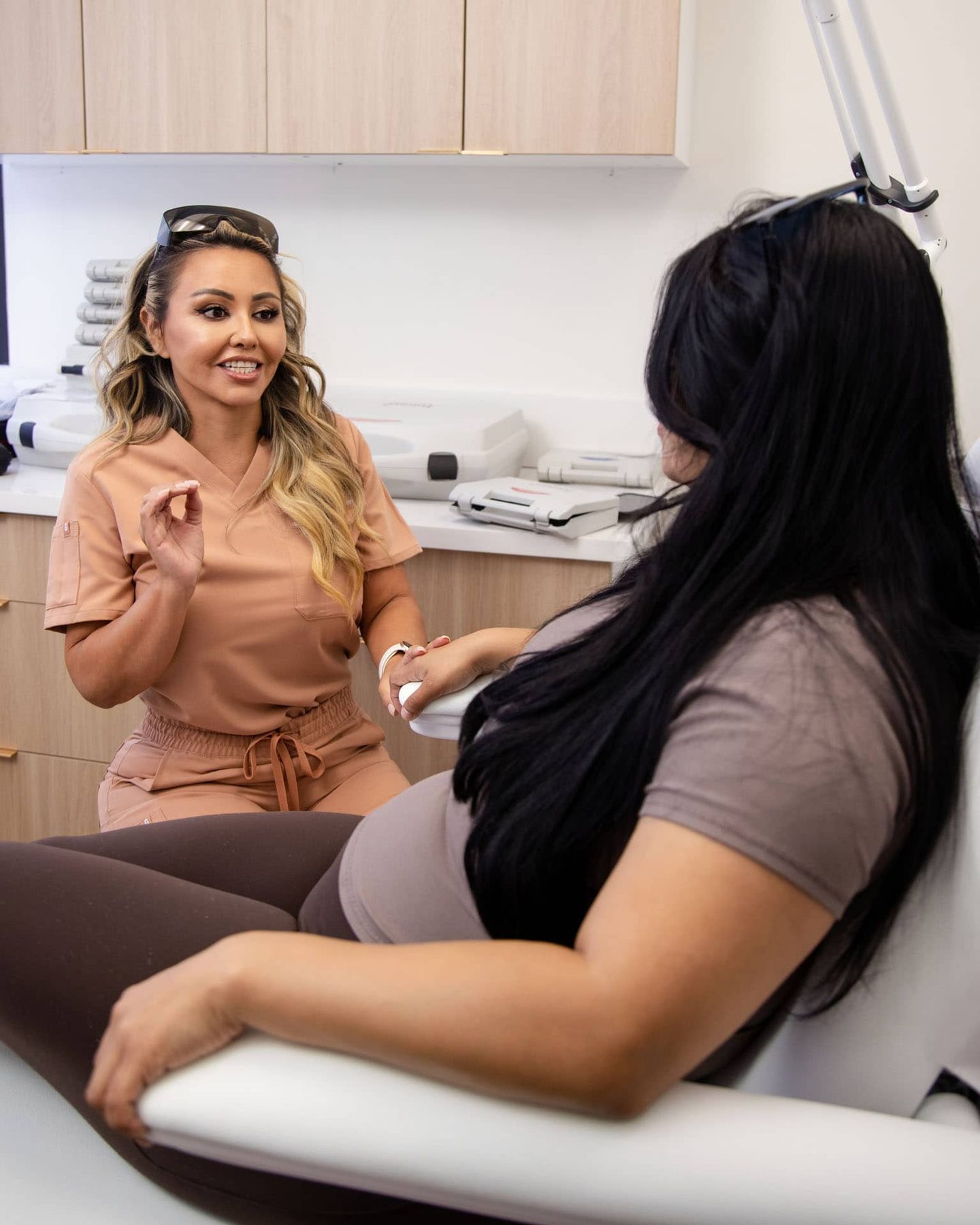
The people who ask about Fotona 4D are rarely looking for a dramatic, obvious change. More often, they want to look fresher without looking "done." They notice that makeup settles differently around the mouth, their jawline has softened, or their skin looks tired even when they are sleeping well. Some have tried facials, peels, and good skincare and reached the point where those options help texture and glow, but not firmness. That is where a treatment like Fotona 4D starts to make sense.
In Encino, where many patients want visible improvement with limited downtime, the appeal is easy to understand. Fotona 4D Laser Facial, often discussed alongside the TimeWalker platform, is known for targeting several layers of tissue in one treatment plan. Instead of focusing only on the surface, it works both externally and from inside the mouth, addressing skin tone, texture, laxity, and fine lines in a more layered way. For the right person, that combination can be useful. For the wrong person, it can be underwhelming, unnecessary, or poorly timed.
The better question is not whether the treatment is popular or sophisticated. It is whether it fits your skin, your goals, and your tolerance for maintenance.
Why people look into Fotona 4D in the first place
A lot of aesthetic treatments solve one narrow problem. A peel can brighten. A neuromodulator can soften dynamic lines. Filler can restore volume. Microneedling can help texture. Fotona 4D tends to attract people whose concerns overlap. Fotona 4D Laser Facial (TimeWalker) Encino, CA They may have a little laxity, a little crepey texture, some early lines around the mouth, and a general loss of vibrancy that is hard to fix with a single treatment category.
That matters because aging rarely arrives in one neat form. In real clinical practice, patients usually come in with a mix of collagen loss, slower cell turnover, sun damage, dehydration, and shifting facial structure. They do not need every device on the menu. They need a plan that matches the pattern they actually have.
Fotona 4D is often considered when someone wants tightening and resurfacing without immediately jumping to surgery. That does not mean it replaces a facelift, and it should not be sold that way. It sits in a middle ground. For some patients, that middle ground is exactly right.
What makes Fotona 4D different from a standard facial
Despite the name, this is not a facial in the spa sense. It is a laser treatment protocol. The "4D" concept refers to multiple treatment modes, usually designed to work at different depths and from different angles. One of the more distinctive elements is the intraoral portion, where tissue inside the mouth is treated to support tightening around the nasolabial folds and lower face. Patients are often surprised to learn that some of the most meaningful improvement around the mouth can come from that internal approach.
The external portions can address surface irregularities, stimulate collagen, and refine overall skin quality. Depending on the provider’s protocol and the patient’s needs, treatment settings may vary. That customization is one reason outcomes can differ from office to office. Two patients can both say they had a Fotona 4D Laser Facial (TimeWalker) in Encino, CA and still have very different experiences, because energy settings, treatment depth, number of sessions, and pre-treatment planning matter.
This is also why a polished social media clip is not enough to judge whether the treatment is right for you. The technology may be strong, but the judgment behind it matters just as much.
The best candidates are usually seeing early to moderate signs of aging
In my experience, the people happiest with Fotona 4D are not always the oldest patients. Quite often, they are the ones who catch changes early. Their skin is starting to lose snap. They may not have severe sagging, but they see enough change that photos look different than they did three or five years ago.
A patient in this category might say things like, "I look fine in the morning, but by the end of the day I look worn out," or "I am not ready for anything aggressive, but I can tell my skin needs more than creams." That is a very realistic use case. When collagen support is declining but the skin still has good repair capacity, non-surgical laser treatments tend to perform better.
People with mild to moderate skin laxity around the cheeks, mouth, and jawline may benefit. So can patients bothered by fine lines, rough texture, enlarged pores, or that slightly creased look that develops before deep wrinkling sets in. It is also appealing to those who want progressive improvement rather than one abrupt change.
The strongest candidates often share a few traits:
- They have realistic expectations and want improvement, not perfection.
- They are noticing early to moderate laxity, fine lines, texture change, or dullness.
- They can commit to a series if recommended, not just a single treatment.
- They are willing to protect their skin from sun exposure afterward.
- They prefer lower downtime than more aggressive resurfacing options.
That last point matters in Encino. Many patients want to stay socially and professionally active. They are open to some redness, swelling, or temporary roughness, but they do not want to disappear for two weeks. Fotona 4D often appeals to that lifestyle.
Patients in their 30s and 40s often get particularly good mileage from it
There is no magic age window, but there is a practical one. Patients in their 30s and 40s often sit in the sweet spot for collagen-stimulating treatments. They have enough early change to see a difference, but not so much tissue descent that a laser has to compete with anatomy it cannot fully correct.
Think of the patient who has started to notice softening around the lower face, a little upper lip wrinkling, or cheeks that no longer reflect light the same way. This person may not need filler everywhere. They may not want a heavy treatment. They often want skin quality improvement that still looks like them. Fotona 4D can fit that goal very well.
Patients in their 50s and 60s can also do well, especially when the main issue is skin texture, mild laxity, or mouth-area aging. The caveat is that stronger laxity usually requires more honesty during consultation. If jowling is advanced or there is significant neck laxity, laser alone may help somewhat but may not deliver the level of lift the patient imagines. That does not make the treatment wrong. It just changes how it should be positioned.
It can be a strong option for people bothered by the mouth area
One of the more common frustrations patients describe is aging around the mouth. They see lipstick bleed into vertical lines, makeup catch in creases, or a deepening fold that makes them look stern. This is also an area where treatment planning gets tricky, because overfilling the region can look unnatural very quickly.
That is one reason the Fotona 4D approach gets attention. The intraoral component aims to support collagen remodeling in tissue that contributes to the appearance of the folds and perioral area. This does not mean the folds disappear. It means some patients see softening and better support without relying entirely on volume replacement.
For patients who want to freshen the lower face while avoiding that overfilled look, the technology can be appealing. It also suits those who want to complement, not necessarily replace, other treatments. For example, a patient may do a conservative amount of filler and use Fotona 4D to work on the surrounding skin quality and support. That kind of combined thinking tends to produce more balanced outcomes than chasing one problem with one tool.
Texture, pores, and tired-looking skin are also common reasons to consider it
Not everyone seeking Fotona 4D is focused on sagging. Some simply feel their skin has become less refined. The pores look larger. The skin looks thick in some areas and crepey in others. Light does Fotona 4D Laser Facial (TimeWalker) Encino, CA not bounce the way it used to. These are subtle complaints, but they are often what make a face read as older, even before deeper wrinkles show up.
Patients who have spent years using active skincare, regular facials, and maybe the occasional peel sometimes reach a plateau. Their skin is maintained, but not transformed. A laser treatment that stimulates collagen and renews the skin more significantly can break through that plateau.
This is especially relevant in Southern California, where cumulative sun exposure often shapes the skin’s aging pattern. Even patients who wear sunscreen now may be dealing with years of incidental exposure from commuting, walking the dog, sitting near windows, or weekend outdoor habits. The result is often a mix of dullness, uneven texture, and fine crinkling. Those concerns do not always need aggressive ablative treatment, but they usually need more than a hydrating facial.
Busy professionals and socially active adults often like the trade-off
Aesthetics is full of trade-offs. Higher intensity can mean more dramatic change, but also more downtime, more aftercare, and a narrower margin for scheduling. Lower intensity may be easier to recover from, but it can require multiple sessions and more patience.
Fotona 4D appeals to a very specific kind of patient: someone who wants meaningful, cumulative improvement and can tolerate that results build over time. In a place like Encino, that often includes professionals who are on camera, in meetings, or regularly attending social events. They do not necessarily need immediate transformation. They need to look rested, polished, and subtly improved.
I have seen this resonate with attorneys, real estate professionals, consultants, executives, and parents managing busy calendars. What they usually want is not "How can I look 20 years younger by next week?" It is "How can I improve my skin without putting my life on hold?" That is a much more grounded question, and it is where Fotona 4D often earns its place.
Who may need a different approach
Not every good technology is right for every face. This is where honest consultation matters more than marketing.
If someone has significant facial sagging, heavy jowls, or a great deal of excess skin, a laser may improve quality and provide some tightening, but it may not satisfy their main concern. Similarly, if a patient’s biggest issue is volume loss in the midface or temples, collagen stimulation alone will not restore structure the way filler, biostimulatory injectables, or surgery might.
There are also practical reasons to postpone or avoid treatment. Active skin infections, certain inflammatory skin conditions, recent sunburn, or inconsistent sun protection habits can complicate timing. Patients with melasma or a tendency toward pigmentation need especially careful evaluation, because heat-based treatments require thoughtful planning in pigment-prone skin. A good provider will not treat everyone the same way.
Some people are poor candidates simply because their expectations are off. If a patient wants surgery-level lifting from a non-surgical treatment, disappointment is likely. It is far better to hear that before treatment than after spending time and money on a plan that was never aligned.
Skin tone, sun habits, and treatment planning matter more than people expect
One of the biggest misconceptions in aesthetics is that the device determines the outcome by itself. In reality, patient selection and treatment planning do a huge amount of the work.
This is particularly true when lasers are involved. Skin tone, recent tanning, history of hyperpigmentation, medication use, and overall barrier health all matter. Patients in Encino often have active lifestyles with year-round sun exposure, and that changes preparation. A person who hikes every weekend, plays tennis several times a week, or recently returned from a beach trip may need to wait before starting.
The best providers usually spend more time than patients expect discussing these seemingly boring details, because they are not boring at all. They are what protects your skin and improves your chances of a smooth recovery.
If you are considering a Fotona 4D Laser Facial (TimeWalker) in Encino, CA, the consultation should feel specific to you. It should cover not just your goals, but your routine, travel plans, upcoming events, sun habits, skincare products, and whether you are willing to complete a series if needed. Vague consultations often lead to vague results.
What realistic improvement tends to look like
People often ask whether they will look dramatically different after one session. The honest answer is that most patients notice some immediate freshness, but the more valuable change tends to come gradually as collagen remodeling develops. Skin may feel tighter, look smoother, and reflect light better. Fine lines can soften. The mouth area may look less creased. The overall effect is often that you seem better rested and better maintained, not altered.
That is part of the treatment’s appeal, but it also requires patience. Someone who wants one appointment and a completely transformed lower face may be better served by a different modality or a combination plan. Someone who values natural-looking improvement over time is usually happier.
The provider should also explain whether your concerns are likely to respond to Fotona 4D alone or whether a layered plan makes more sense. In practice, many patients benefit most when laser is one component of a broader strategy. Sometimes that strategy includes neuromodulators, conservative filler, skincare, or maintenance treatments spaced throughout the year. The point is not to sell more. The point is to match the problem accurately.
A useful way to decide if it fits your goals
Patients tend to make the clearest decisions when they stop asking, "Is this treatment good?" And start asking, "Is this treatment good for me, right now?"
That usually comes down to a short set of practical questions:
- Are your concerns mostly mild to moderate laxity, fine lines, texture, pores, or dullness?
- Do you want natural improvement rather than a dramatic immediate change?
- Can you tolerate some downtime, but not a major interruption to work or social life?
- Are you willing to protect your skin from sun exposure and follow aftercare?
- Would you be satisfied with progressive results that may require a series?
If the answer to most of those is yes, Fotona 4D is worth discussing in a serious consultation. If not, another treatment path may suit you better.
Why provider judgment matters as much as the device
A strong device in inexperienced hands can still produce mediocre outcomes. This is especially important with treatments that can be adjusted in intensity and combined in different ways. The nuance lives in the settings, the sequence, the spacing between sessions, and the decision to treat or not treat certain areas.
A skilled provider looks at your face dynamically. They assess how the skin moves, where support has weakened, whether volume loss is making laxity look worse, and which concerns matter most to you. They also know when not to lean on laser alone. That kind of judgment tends to separate polished, believable results from treatment plans that look impressive on paper but do not actually solve the patient’s problem.
Patients sometimes fixate on the machine name and forget to evaluate the person operating it. The better approach is to look for both: solid technology and clear, individualized clinical reasoning.
For the right person, it fills an important middle ground
There is a group of patients who are not well served by the extremes. They do not need a basic facial, but they are not ready for surgery. They want more than temporary glow, but less downtime than an aggressive resurfacing treatment. They want to keep looking like themselves, just less tired, less creased, and a little firmer.
That is where Fotona 4D earns its following.
For adults in Encino dealing with early to moderate signs of aging, especially around the mouth, lower face, and overall skin quality, it can be a thoughtful choice. For those with severe laxity, unrealistic expectations, or skin conditions that require a different kind of planning, another route may make more sense. Neither answer is a failure. It is simply what good aesthetic medicine looks like when it is practiced honestly.
The people who should consider a Fotona 4D Laser Facial (TimeWalker) in Encino, CA are not just those chasing the newest device. They are the ones whose concerns match what the treatment actually does well, and whose expectations are grounded enough to appreciate steady, natural-looking improvement. When that match is there, the results tend to look less like a procedure and more like you had a very good season.
OMNIA Wellness Center
16430 Ventura Blvd Ste 207, Encino, CA 91436
Phone: +1 818-386-8511
FAQ About Fotona 4D Laser Facial (TimeWalker) Encino, CA
What is a Fotona laser good for?
Fotona lasers support several different aesthetic protocols. The Fotona 4D facial uses two wavelengths and four treatment modes to address concerns such as fine lines, skin texture, and mild laxity. OMNIA Wellness Center offers the TimeWalker facial with an individual consultation. Suitability and likely improvement depend on the person's skin and goals; results are not guaranteed, and this treatment does not reproduce a surgical facelift.
How much does a Fotona laser treatment cost?
The cost depends on the treatment protocol, areas treated, number of sessions, and provider's assessment. Ask OMNIA Wellness Center for a current written quote that explains what is included, whether follow-up is included, and any proposed package terms. An individualized estimate is more useful than assuming that one advertised price applies to every facial treatment.
How much downtime is there after a Fotona laser procedure?
Recovery varies with the specific protocol and intensity. Fotona describes its 4D facial as having little to no downtime, but temporary redness or sensitivity can occur, and a stronger surface treatment can require more recovery. Ask the treating clinician what to expect from the planned settings, how to care for the skin afterward, and when to contact the clinic with concerns.